Your Reliable General Contractor for Premium Home Improvements
A dependable construction professional serves a vital function in residential renovations. Their expertise guarantees work are completed with precision and attention. By concentrating on quality materials and craftsmanship, they improve both aesthetics and value. Open communication and careful planning are essential for a smooth process. However, many homeowners disregard key factors when selecting a contractor. Recognizing what to prioritize can make all the difference in achieving a successful renovation. What should homeowners consider first?
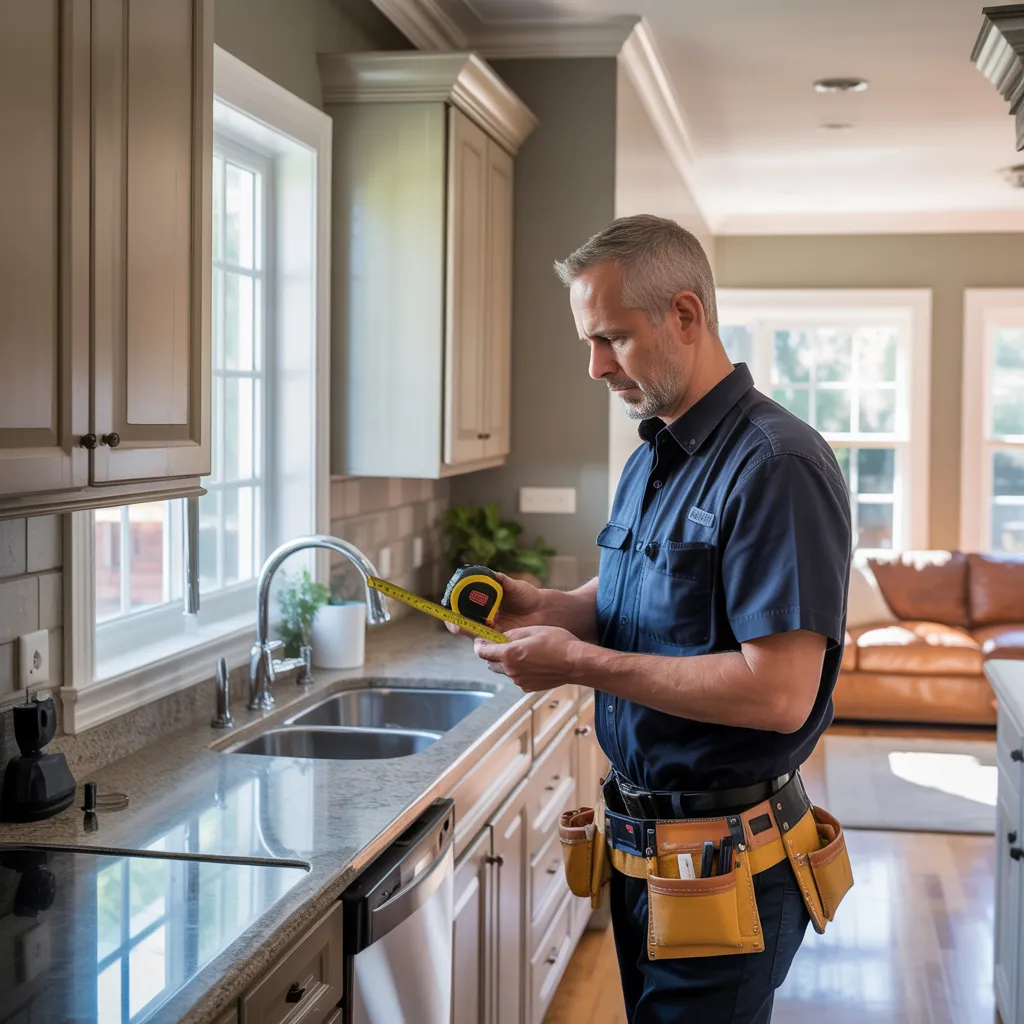
Key Things to Consider When Choosing a Trustworthy General Contractor
When launching a home improvement project, how can one guarantee they select a reliable general contractor? First, individuals should find advice from friends, family, or online reviews to pinpoint potential candidates. It is paramount to authenticate qualifications, encompassing permits and protection, verifying the professional satisfies local ordinances. Next, evaluating prior assignments through portfolios or references offers clarity into the contractor's excellence and dependability.
Additionally, gathering several estimates can assist in evaluating appropriate expenses and project timelines. Communication aptitude are also necessary; a contractor should be personable and attentive to inquiries. Further, a robust contract specifying extent of work, timelines, and payment schedules shields both parties. In conclusion, trust your intuition; if a contractor looks unprofessional or evasive, it may warn of future issues. By observing these standards, property owners can significantly improve their probability of engaging a dependable building contractor, enabling accomplished home improvement initiatives.
Why a Local General Contractor Remains Your Optimal Selection
Selecting a area general professional can significantly boost the performance of home improvement projects. Local contractors have important knowledge of the area, covering building codes, rules, and zoning laws, guaranteeing compliance and efficiency. Their long-standing relationships with distributors and subcontractors can result in competitive pricing and quick availability to products and skilled labor.
Moreover, local professionals often have a reputation to copyright within the locality, pushing them to ensure quality performance. This obligation to standards fosters trust and confidence among homeowners.
In addition, nearness permits easier communication and more rapid response times, which can be necessary during a project. Homeowners can also look for referrals from friends or neighbors who have previously worked with the contractor, giving peace of mind. Overall, choosing a local general contractor not only supports the community but also enhances the overall quality and experience of home improvement endeavors.
Your Complete Step-by-Step Guide to Residential Upgrade Experience
Starting a household renovation project calls for deliberate preparation and careful execution. Establishing a schedule for completion is indispensable to confirm that activities are executed swiftly, while selecting quality materials can substantially affect the final outcome. This instruction manual will present these important procedures to aid homeowners work through their improvement journey with great success.
Establish Your Task Timeline
A well-structured project timeline is essential for successful home improvements, guaranteeing that every phase is completed efficiently. To start, property owners should define the project's parameters, detailing specific goals and expected results. Subsequently, they should meet with their general contractor to establish a practical timeframe based on the project's intricacy and necessary work. Dividing the project into manageable sections allows for improved monitoring and adjustments as required. It is also critical to account for potential delays, such as weather conditions or supply chain issues, which may impact the timeline. Frequent consultations with the contractor can help keep the project on track. Ultimately, a well-defined schedule promotes dialogue and establishes understanding, resulting in a smoother home improvement journey.
Identifying High-Quality Components
opting for high-grade substances greatly influences the output of home improvement assignments. First, homeowners must figure out the exact needs of their work, weighing elements including longevity, appearance, and financial plan. Investigating various substance choices is crucial; this includes comprehending the strengths and disadvantages of every selection. connecting with experts can provide worthwhile perspective into reliable brands and providers.
Next, homeowners should request material samples to evaluate the appearance and texture of materials in person. Shopping around for prices across different suppliers can help guarantee affordable rates without sacrificing quality. Finally, confirming that materials meet local building codes is crucial for protection and adherence to standards. By carefully choosing materials, residents can improve both the durability and aesthetic value of their upgrades, ultimately increasing the worth to their property.
Showcase Your Vision Like a Pro
Successful home improvements often depend on the ability to convey a clear objective. Homeowners should communicate their notions, inclinations, and anticipations, ensuring that they relay their desires effectively to their general contractor. A well-defined vision not only helps in aligning the contractor's plans with the homeowner's goals but also streamlines the deliberation process.
Visual aids such as sketches or mood boards can substantially boost communication efforts. They deliver a physical example that showcases style, color schemes, and layout preferences. Additionally, participating in frank discussion encourages partnership, allowing the contractor to ask clarifying questions and provide insights.
Setting realistic timelines and cost estimates is equally important. Occupants should prepare themselves to discuss parameters openly to avoid misunderstandings going forward. In conclusion, articulating a vision with clarity and confidence strengthens both sides, forging the path for successful project execution and fulfilling results in home improvement endeavors.
The Significance of High-Grade Materials and Craftsmanship
For home improvements, the preference of robust materials markedly affects the endurance and capability of a project. Comparably significant is the role of skilled craftsmanship, which guarantees that these materials are utilized effectively. As one, high-quality materials and expert workmanship establish results that stand the test of time.
Long-lasting Component Decision
A judiciously selected mixture of hardwearing materials can significantly affect the longevity and aesthetics of home improvements. Fine materials not only enhance the appeal of a space but also warrant that renovations hold up the test of time. Homeowners should prioritize materials with proven durability, such as hardwood, stone, and high-grade metals, which defend against wear and tear and environmental damage. Also, choosing materials suited the local climate can circumvent issues like rot or corrosion. Putting money into durable options may require a higher upfront cost, but the long-term benefits—fewer repairs and replacements—make it a strategic choice. In conclusion, the right materials contribute to a home's value and overall satisfaction for years to come.
Talented Craft Work: Its Value
Quality workmanship serves as a vital component in the prosperity of home upgrades, supporting the choice of resilient materials. Skilled professionals assure that all aspects of a project are performed with precision, advancing both usability and visual appeal. Careful focus in construction, from framing to finishing touches, substantially improves the life span and reliability of home features. Quality execution not only shows a dedication to excellence but also guards against future concerns, such as structural issues or aesthetic imperfections. Additionally, seasoned contractors grasp the complexities of various materials, confirming they are leveraged optimally. Ultimately, committing resources to skilled execution produces a more fulfilling and durable outcome, boosting the overall market value of the home and the homeowner's contentment.
Usual Remodeling Pitfalls and Strategies for Avoiding Them
Many property owners face pitfalls during remodeling projects that can lead to expensive setbacks and dissatisfaction. One common mistake is underestimating the financial allocation. Without a comprehensive budget outline, unforeseen costs can quickly emerge, jeopardizing the project. Additionally, failing to secure required approvals can cause penalties and project halts, complicating the renovation process.
Making quick decisions by rushing the process of making decisions is a frequent error. Quick choices regarding design and layout can result in disappointment later on. Homeowners commonly neglect the importance of employing experienced professionals, which can compromise the workmanship and safety standards.
Lastly, ineffective communication with building contractors can create miscommunications and unmet expectations. To bypass these obstacles, homeowners should concentrate on comprehensive planning, obtain the required permits, hire proficient professionals, and maintain open lines of communication throughout the remodeling process. By addressing these typical mistakes, homeowners can guarantee a seamless and more rewarding remodeling outcome.
How to Find the Right Materials for Your Upgrade?
In what manner can property owners confirm they select the correct components for their restoration endeavors? First, they should assess the particular necessities of the space, considering elements including functionality, charm, and durability. Researching assorted options is mandatory; property owners should compare options in light of their relevance for the intended use and local climate conditions.
Consulting with a trusted general contractor can provide valuable insights into selection options, ensuring that selections align with both financial constraints and aesthetic objectives. Additionally, property owners should prioritize sustainability by exploring eco-friendly materials that reduce ecological footprint.
In conclusion, evaluating samples can full details help with informed decisions, enabling homeowners to picture how materials will look and feel in their location. By adhering to these steps, homeowners can securely choose materials that upgrade their undertaking while ensuring quality and longevity.
Popular Inquiries Posed Regularly
How Should I Validate a Contractor's Licenses and Insurance?
To validate a contractor's permits and protection, one can examine state regulatory bodies and insurance providers. Moreover, soliciting proof of licenses and insurance documents obtained from the contractor assures genuineness and conformance to standards.
What Is the Common Duration for Home Improvement Undertakings?
Home improvement projects typically have a variable schedule, frequently running from a few weeks to several months, affected by intricacy of the work, scope, and required permits. Talking with the contractor can help setting a more dependable schedule.
Can I reside in My Home During Remodeling?
Yes, one can reside in a home during remodeling work, though it often depends on the project scope. Smaller-scale renovations may facilitate ongoing inhabitation, while extensive work might call for temporary displacement for safety and comfort.
Which Payment Approaches Do Contractors Typically Receive?
Contractors generally receive a variety of payment methods, comprising cash, checks, credit cards, and digital payment platforms. Some may also offer financing options, allowing clients flexibility in overseeing renovation costs and payment schedules.
What's the Best Way to Address Conflicts With My Contractor?
To handle conflicts with a contractor, one should communicate with clarity, record every communication, and pursue settlement via discussion. If not settled, mediation or legal action may be required to protect one's interests effectively.